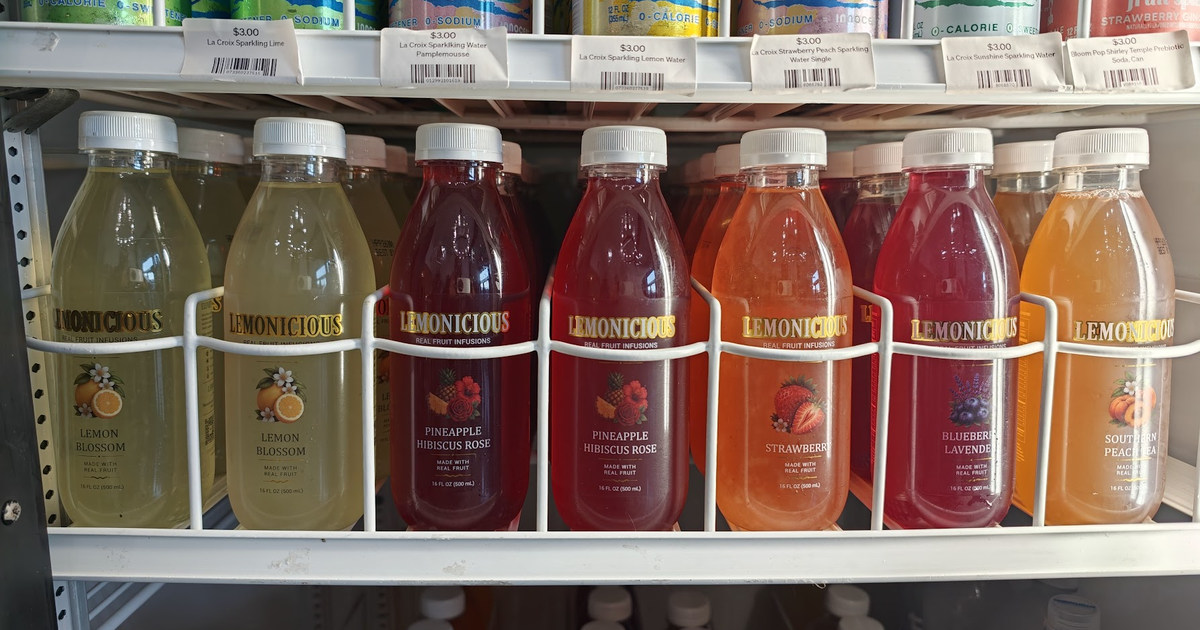
Ultra-processed has become a familiar term in food conversations. It is worth understanding, but it does not replace the details on a product's label.
At Lemonicious, we favor recognizable ingredients and transparent recipes. That preference is separate from making claims that one drink prevents disease or that every food in a broad processing category carries the same health risk.
What Does Ultra-Processed Mean?
Researchers often use the NOVA classification system, which groups foods by the nature, extent and purpose of processing. Its ultra-processed category includes certain industrial formulations involving refined ingredients and additives.
The category covers a wide variety of foods. It is not a direct measure of sugar, vitamins, calories, or the safety of a specific product.
What Does the Research Show?
Large observational studies have reported associations between higher consumption of ultra-processed foods and several adverse health outcomes. Researchers continue to investigate which parts of those relationships are attributable to overall diet, specific ingredients, lifestyle or processing itself.
An association does not prove that eating a particular processed food caused an individual medical outcome. It would be inaccurate to claim a single bottle of lemonade raises or lowers your risk by a specified percentage.
Three More Useful Questions for Beverages
How Much Added Sugar?
Check the Added Sugars line and serving size. A drink made with recognizable fruit can still have substantial sugar.
What Creates the Flavor?
Read the ingredients for named fruits, juice, tea and botanicals, versus added flavoring ingredients. Natural flavors are regulated and aren't inherently unsafe, but the wording doesn't guarantee whole fruit is present.
How Is the Beverage Stored?
Shelf-stable and refrigerated products use different validated manufacturing and distribution approaches. Neither designation automatically answers a nutrition question.
Why Lemonicious Prioritizes Its Ingredients
Lemonicious is family-owned and built around fresh-squeezed lemon, real fruit and botanical flavors. Our five signature recipes use cane sugar without artificial colors or flavors.
We also use HPP and refrigerated distribution. Rather than making broad healthier than everything else claims, we publish the ingredient lists and nutrition facts so customers can compare products.
Bottom Line
Food-processing research is important, but judging a beverage requires the complete picture. The most practical approach is checking the actual ingredient list, nutrition panel and handling instructions.
Read our beverage label guide or explore Lemonicious flavors.